
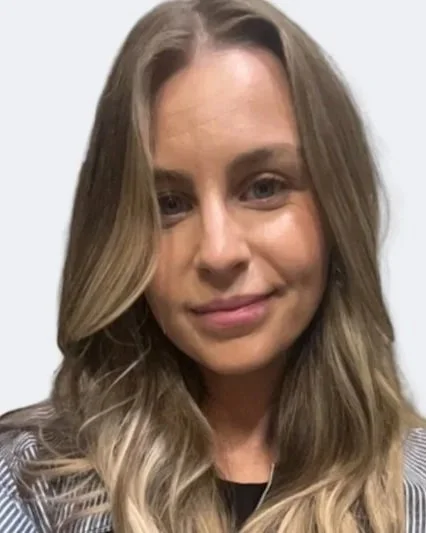
Tiarna Chesser
PSYCHOLOGIST & GROUPS COORDINATOR
Tiarna is a registered psychologist who brings a wealth of experience from both forensic and community mental health settings. She works primarily with adults and has a strong background supporting individuals involved in the criminal justice system, as well as those facing complex and high-risk challenges such as co-occurring mental health and substance use issues. Her approach is client-centred and trauma-informed, grounded in empathy, collaboration, and evidence-based practice. She draws on a range of therapeutic modalities, including Cognitive Behavioural Therapy (CBT), Acceptance and Commitment Therapy (ACT), Motivational Interviewing (MI), and Internal Family Systems (IFS), tailoring her interventions to meet the unique needs of each client.
In addition to individual therapy, she has experience facilitating group therapy and has been involved in the development and delivery of structured therapeutic programs. This includes addiction-focused programs addressing alcohol and other drug (AOD) use and gambling harm, as well as programs supporting emotional regulation and well-being. She is passionate about supporting people to navigate life’s challenges, build resilience, and move toward meaningful and sustainable change.
Appropriate referrals include:
Drug and Alcohol Dependence, Gambling Addiction, Depression, Anxiety, Emotional Regulation and Behavioural Difficulties, General Mental Health and Well-being, Life transitions and Stress Management and Interpersonal Challenges.
More about me…
How would you describe your style or approach in sessions?
I’d say I’m warm, collaborative, and approachable. I try to create a space where people feel heard and supported, but I’m also not afraid to gently challenge things when it’s helpful. There’s usually a bit of humour along the way too—therapy can be serious, but it doesn’t always have to feel heavy.
Can you share a therapeutic approach or strategy you often use, and what you like about it?
I often draw from Internal Family Systems and parts therapy. I really value how it helps people explore the different “parts” of themselves—like the inner critic, the people-pleaser, or the protector—with curiosity and compassion. Instead of trying to get rid of these parts, we learn to understand them and build a better relationship with them. It’s a powerful way to help people feel more integrated, self-aware, and in touch with their strengths.
What’s something outside of work that brings you joy or helps you recharge?
My Great Dane, Pam!
If you could have any superpower to help your clients, what would it be and why?
I’d love to give people the ability to see themselves the way someone who truly cares about them does—kind, capable, and full of potential. So often we’re our own harshest critics, and just a glimpse of that outside perspective can be enough to shift everything.